
Statistics Canada released its annual Control and Sale of Alcoholic Beverages report in March 2026, covering the fiscal year ending March 31, 2025 — and the headline is clear: Canadians are drinking less alcohol. It was the fourth consecutive year that volume sales have declined, and the largest annual drop in government alcohol earnings since tracking began in 2004. But the nuance is more interesting than the headline.
The Top-Line Numbers
Here's what Statistics Canada found for the 2024/2025 fiscal year:
- Total alcohol sales: $25.8 billion — down 1.6% from the previous year
- Volume sold: 2,898 million litres — down 3.0%
- Average consumption: 8.0 standard drinks per week per legal-age Canadian — down from 8.7 the prior year, and from 9.7 just a decade ago
- Government alcohol revenue: $13.1 billion — down 4.2% (the largest annual drop since 2004)
The contrast with prices is notable: despite a 1.6% increase in retail alcohol prices in the same period, Canadians still bought less. This wasn't about affordability forcing a change — it reflects a genuine shift in how Canadians relate to alcohol.
Category by Category: Who's Winning and Who's Losing
Beer — Still the King, But Shrinking
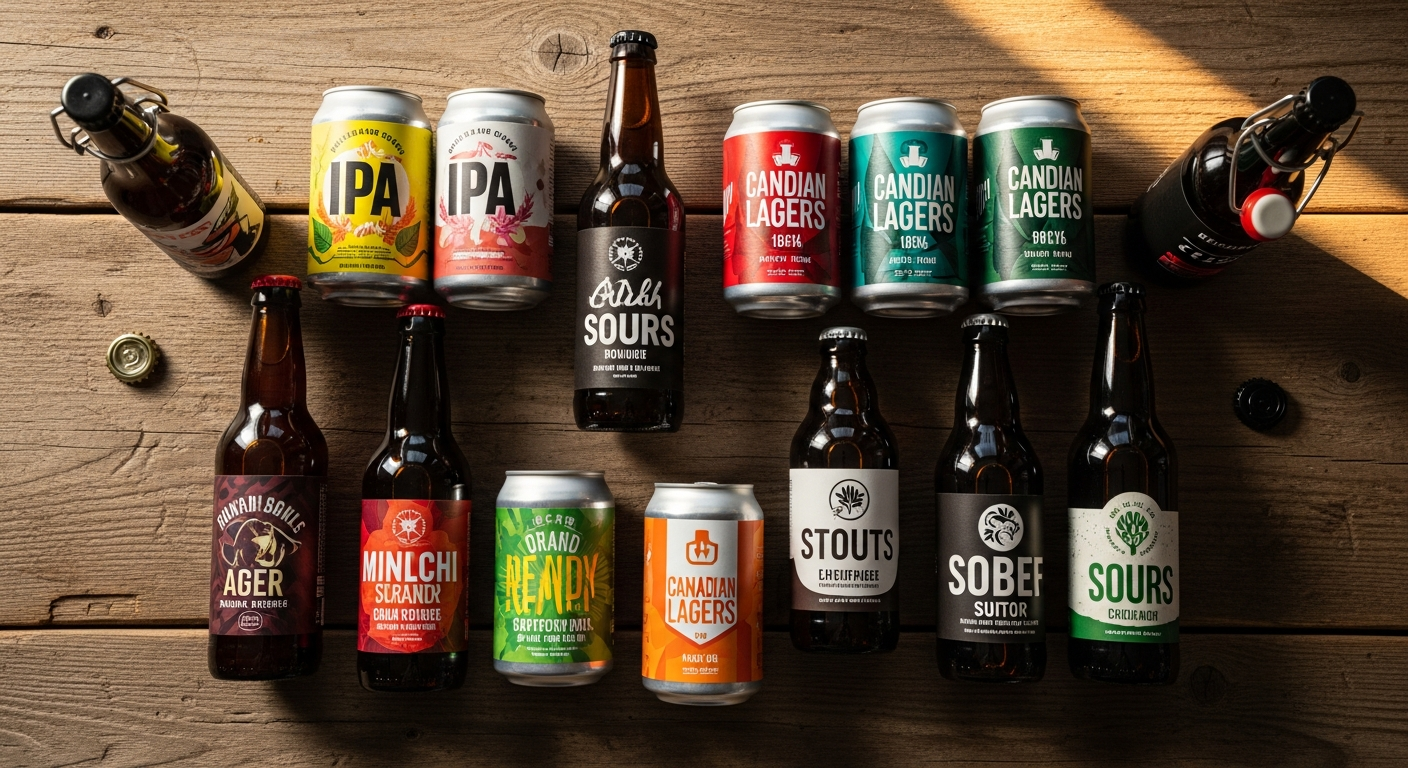
Beer maintained its position as Canada's top-selling beverage category with 35.1% market share — unchanged year over year. But the volume picture is troubling for the category: beer sales declined 3.8% by volume, marking the ninth consecutive annual volume decline. Canadians are still reaching for beer most often, but they're drinking less of it overall.
In dollar terms, beer sales fell 1.6% to $9.1 billion. Domestic beer continues to dominate heavily: 88.7% of all beer sold in Canada was domestically produced.
Wine — Imported Wine Falls for the First Time Ever
Wine sales dropped 2.2% to $7.7 billion, losing 0.2 percentage points of market share to finish at 29.7%. The most striking data point: imported wine sales fell for the first time since Statistics Canada began tracking by origin in 1992/1993. Imported wine — which accounts for 70% of Canada's wine market — declined 3.9%, driven by large drops in Ontario (-5.3%) and Quebec (-4.3%).
Domestic wine was the bright spot, up 1.9% to $2.3 billion, as Canadian consumers showed a growing preference for homegrown bottles — particularly from British Columbia's Okanagan Valley.
Spirits — Third Straight Year of Decline
Spirits sales fell 3.2% to $6.7 billion, losing 0.4 percentage points of market share. By volume, the decline was even sharper at 4.4%. Whisky remained the top-selling spirits category at 29.6% of spirits sales, followed by vodka (22.9%) and liqueurs (15.4%). The average Canadian of legal drinking age consumed the equivalent of just 2.2 shots of spirits per week in 2024/2025.
Ciders and Coolers — The Only Winner
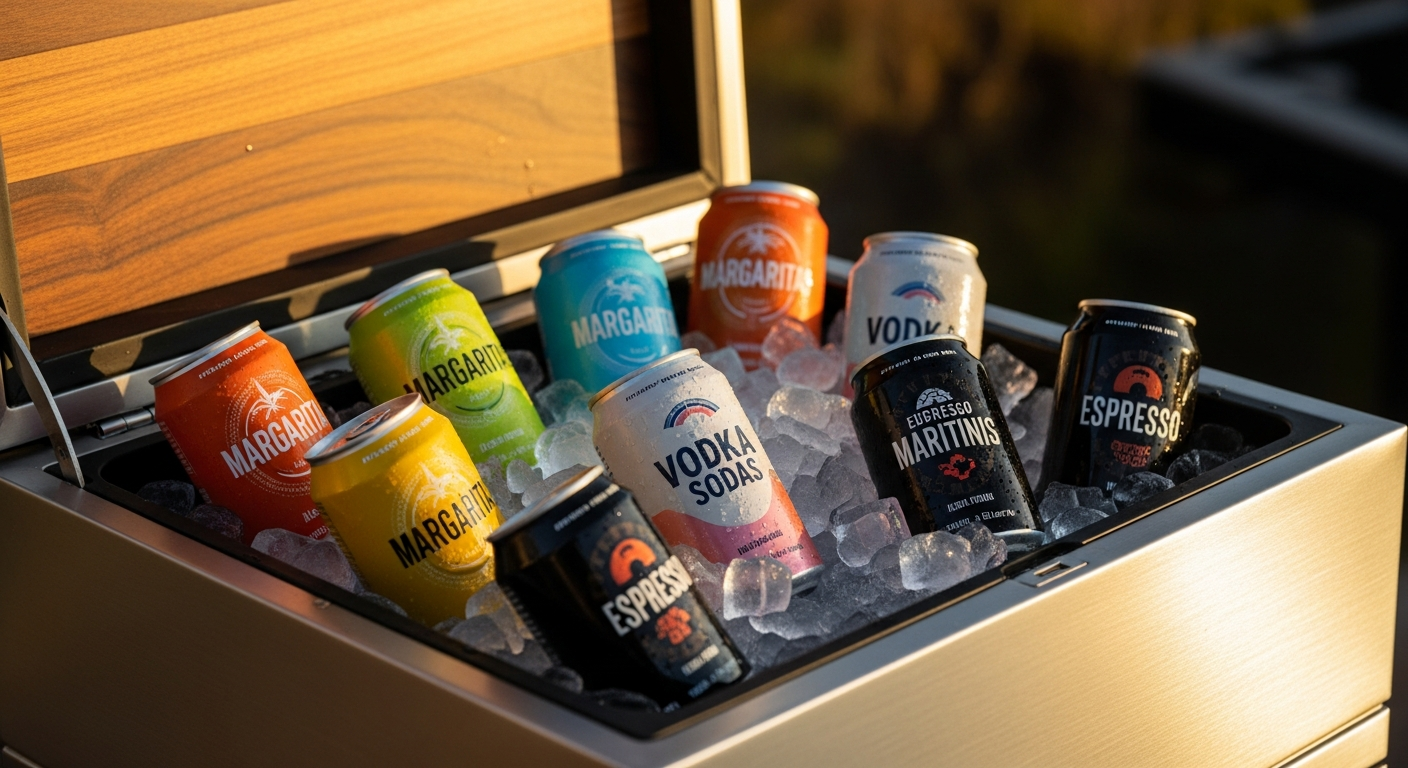
In a declining market, ciders and coolers were the only beverage category to gain market share, up 0.6 percentage points to 9.3% of total alcohol sales. This tracks with the global RTD (ready-to-drink) trend: consumers are gravitating toward convenient, lower-commitment, often lower-ABV options over traditional full-bottle purchases. Domestic production dominates here too — 90.7% of cider and cooler sales were from Canadian products.
Domestic Products Are Gaining Ground
Across all categories, domestic products increased their share of Canadian alcohol sales to 60.6%, up from 59.0% the prior year. Every single beverage category saw its domestic share rise. This is a significant cultural and economic shift — particularly for a country that has long imported the majority of its wine and premium spirits.
Part of this is economic (domestic products are frequently priced lower than comparable imports). Part of it reflects a genuine pride in Canadian craft: BC wine, Ontario craft beer, Canadian whisky, and Saskatchewan-produced spirits are all earning more consumer attention and critical recognition than ever before.
What's Behind the Decline? Four Factors
1. The Wellness and Moderation Movement
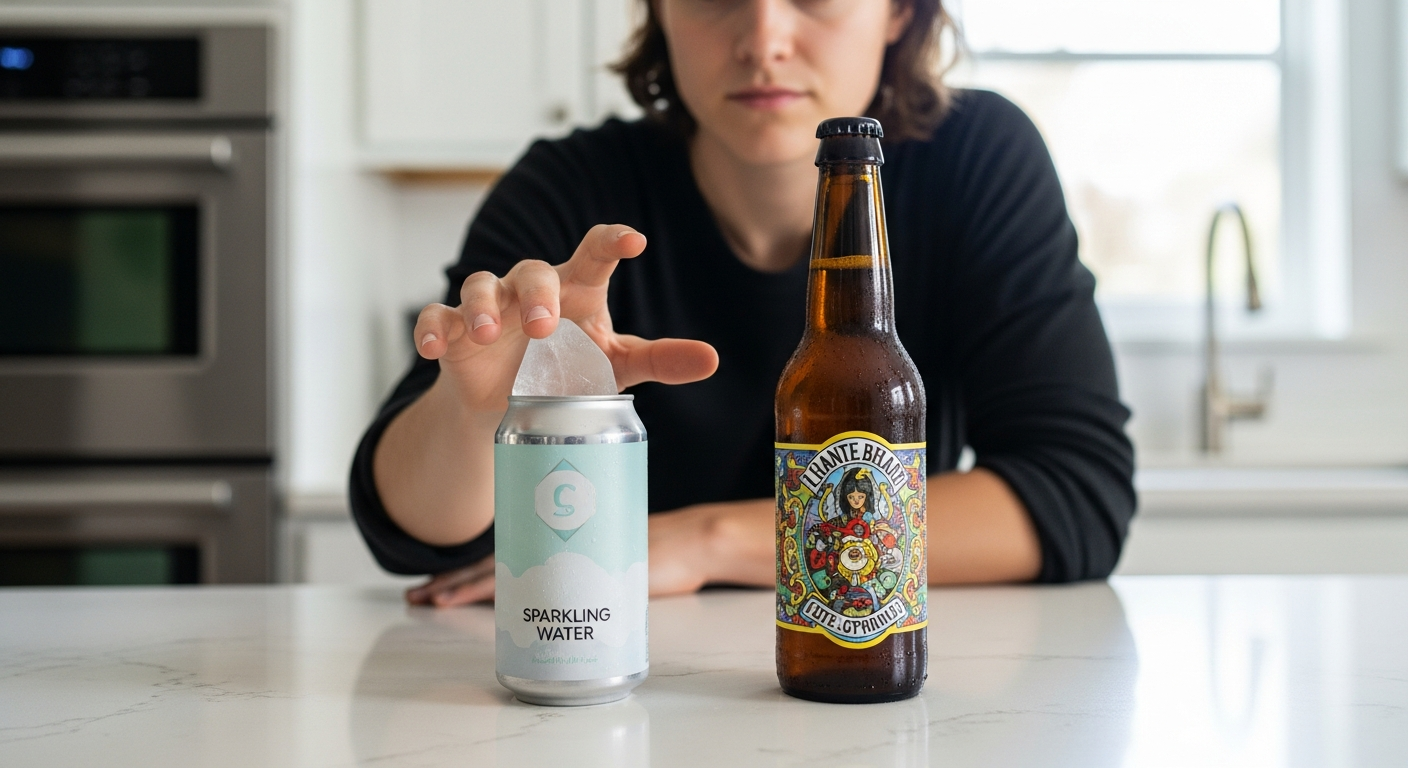
Canadians — particularly younger ones — are thinking more deliberately about alcohol. The rise of "sober curious" culture, low-ABV beverages, and designated nights off drinking is well-documented. The data bears it out: a decade ago, the average legal-age Canadian consumed 9.7 standard drinks per week. That's now 8.0 — an 18% reduction over ten years.
2. Cost of Living Pressure
Alcohol is a discretionary purchase, and Canadians have been managing household budgets more carefully since inflation peaked in 2022–2023. While prices have stabilized somewhat, the cumulative effect of several years of elevated costs has made consumers more selective. They're buying less, but they're buying better — more domestic, more craft, more considered.
3. The Shift to Home Consumption
The pandemic accelerated a trend that has largely persisted: people are drinking at home more than they are at bars and restaurants. For the retail alcohol channel, this isn't necessarily bad — but it changes the type of product people buy. A bar might sell you a $16 cocktail; at home, you make a better one for $3 worth of ingredients, or you order a premium RTD delivered to your door.
4. Demographic Change
Younger Canadians drink less than their predecessors did at the same age. As Gen Z comes of legal drinking age in greater numbers, their lower average consumption is beginning to show up in the national statistics. This is a long-term structural trend, not a short-term blip.
What This Means for Saskatchewan Drinkers
The national numbers reflect a genuine shift: Canadians are drinking more intentionally. They're choosing quality over quantity, domestic over imported, and convenient formats (RTDs, coolers) over traditional full-bottle commitments.
In Saskatoon, that means more people are entertaining at home, choosing their drinks carefully, and wanting delivery that fits their lifestyle. My Liquor Delivery was built for exactly that moment — licensed home delivery of beer, wine, spirits, and coolers to Saskatoon, nightly until 2 AM.
Whether you're exploring BC Okanagan wine, stocking up on Canadian whisky, or trying the canned cocktail everyone keeps talking about, browse our full selection or call (639) 525-6227 and we'll have it delivered in 20–40 minutes.
Frequently Asked Questions: Canadian Alcohol Trends 2025
Are Canadians drinking less alcohol than before?
Yes. Statistics Canada's 2024/2025 fiscal year data shows the fourth consecutive annual decline in alcohol sales by volume. The average Canadian of legal drinking age now consumes 8.0 standard drinks per week, down from 9.7 a decade ago — an 18% reduction.
Which alcohol category grew in Canada in 2024/2025?
Ciders and coolers were the only beverage category to gain market share in Canada in 2024/2025, rising 0.6 percentage points to 9.3% of total alcohol sales. This mirrors the global RTD (ready-to-drink) trend of consumers choosing convenient, lower-ABV formats.
Is Canadian wine better than imported wine?
Canadian wine — especially from BC's Okanagan Valley — has improved dramatically in quality over the past decade. Domestic wine sales grew 1.9% in 2024/2025 while imported wine fell for the first time on record. BC Pinot Noir, Chardonnay, and Cabernet Franc are now legitimately competitive with comparable bottles from France, Italy, and the US.
Why did government alcohol earnings drop so much in 2024/2025?
Federal and provincial governments earned $13.1 billion from alcohol sales in 2024/2025, down 4.2% — the largest annual drop since Statistics Canada began tracking in 2004/2005. The decline reflects falling consumption volumes combined with increased competition from recreational cannabis, which grew 11.5% in the same period.
Can I get alcohol delivered in Saskatoon?
Yes. My Liquor Delivery is an SLGA-licensed home delivery service operating in Saskatoon, serving 27 neighbourhoods city-wide — daily from 11:00 AM until 2:00 AM, last call 1:30 AM. Order online at myliquordelivery.ca/shop or call (639) 525-6227.
Megan spent over a decade managing restaurants and bars in Saskatchewan before turning to drinks writing full-time. She holds a WSET Level 2 Award in Wines, writes regularly about alcohol culture and the Canadian craft beverage scene, and is deeply invested in the responsible service movement across the prairies.