
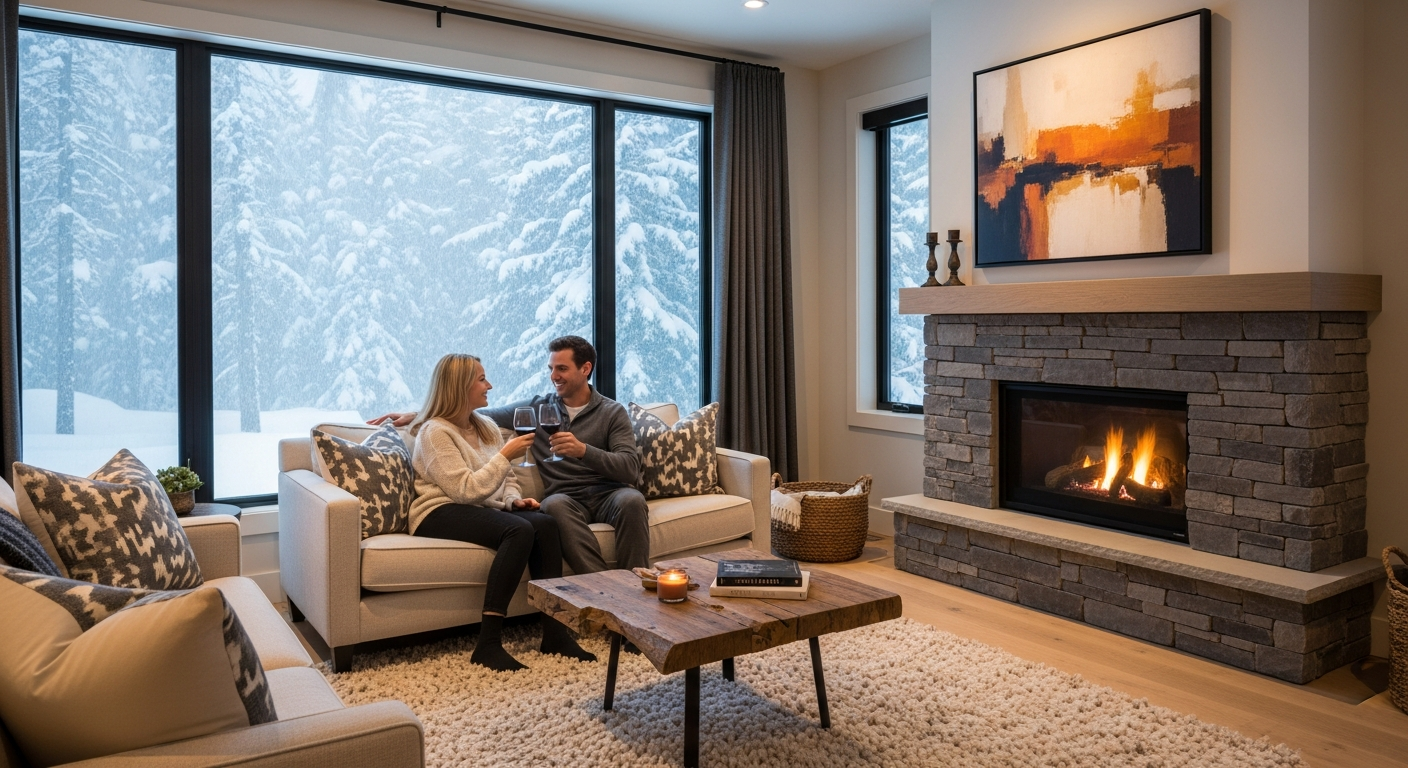
When the temperature hits -35°C and the wind is blowing snow sideways, the argument for staying home doesn't need much help. But just in case you needed five more reasons to skip the liquor run, here they are.
Saskatchewan winters are legendary — not in the way that's fun to brag about at parties, but in the way that makes you genuinely respect anyone who's survived more than two of them. We're talking about cold that freezes your car door shut, drives that take 40 minutes instead of 8, and the complete impossibility of the phrase "I'll just pop out for a bottle of wine."
According to Environment Canada, Saskatoon's average daily temperature in January is −13.9°C, with wind chill values regularly dropping the felt temperature below −40°C. The city averages only 107 frost-free days per year — meaning the other 258 days carry some degree of freeze risk. Saskatchewan also records a disproportionately high rate of single-vehicle winter accidents relative to population, particularly on secondary roads and in poorly lit commercial parking lots during evening hours.
Alcohol delivery exists for a lot of reasons. But in Saskatchewan, winter makes the case better than anywhere else in the country.
1. The Drive Isn't Worth It
From Brighton or Aspen Ridge to the nearest SLGA-authorized store is a 20 to 25 minute drive each way — in perfect summer conditions. Add winter road conditions (ice patches, reduced visibility, the occasional blizzard that wasn't on the forecast), and you're looking at something between an adventure and a mild public safety concern.
Saskatchewan consistently records some of the most hazardous winter driving conditions in Canada, with a high proportion of single-vehicle accidents occurring on roads that were passable when drivers left but weren't on the way home.
Calling (639) 525-6227 instead isn't laziness. It's a reasonable decision.
2. Cold Car, Cold Mood
You've been at work all day. The kids are finally quiet. You've made dinner, cleaned up, and the house is exactly the temperature you like. And then you realize the cabinet is bare.
Now you have a choice: put on four layers, warm up the car for ten minutes, drive to a store that closes in 90 minutes, stand in a checkout line, and come back with your evening mood entirely reset — or you pick up the phone.
The evening you were building is worth protecting. That's what delivery is for.
3. Slipping on Ice Is a Real Thing
Saskatchewan parking lots in winter are not the safest surfaces on earth. A slick spot in a poorly lit liquor store parking lot at 8 PM is a genuine hazard — especially for older residents, anyone with mobility challenges, or just anyone who would prefer not to fall carrying a case of beer.
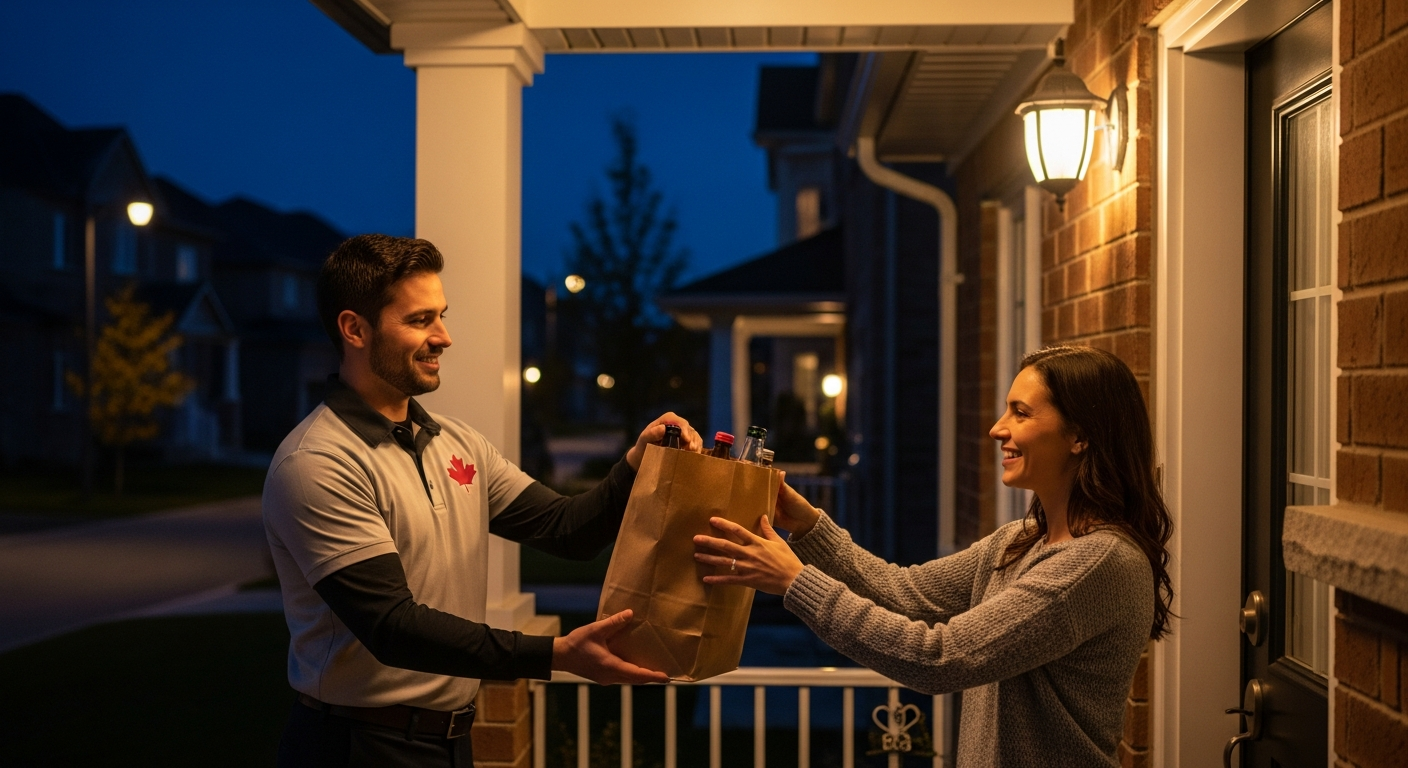
Delivery means the only trip you make is from your front door to your couch. A journey most of us can manage without incident.
4. The Holidays Hit Differently
Christmas Eve. New Year's Eve. Family Day long weekend. These are the moments when every liquor store in the city is understaffed, overwhelmed, and running low on popular items by mid-afternoon. You'll spend half an hour in a line that wraps around the end cap displays, discover they're sold out of your preferred red, and settle for something you didn't want.
Or: you call us. We check stock, tell you what we have, and bring it to you. No lineup. No parking. No panic.
5. Because You Made the Responsible Choice
If you've had a glass or two with dinner and realized the wine is running low — the responsible answer is not to get behind the wheel. It's to call us.
Saskatchewan has made home alcohol delivery legal precisely because responsible consumption and responsible driving are both values worth supporting. Choosing delivery in that moment isn't just convenient. It's the right call — and we mean that sincerely.
We're open until 2 AM, every night of the year — including the nights when the roads are at their worst. Call (639) 525-6227 and let us handle the part that involves going outside.
Megan spent over a decade managing restaurants and bars in Saskatchewan before turning to drinks writing full-time. She holds a WSET Level 2 Award in Wines, writes regularly about alcohol culture and the Canadian craft beverage scene, and is deeply invested in the responsible service movement across the prairies.