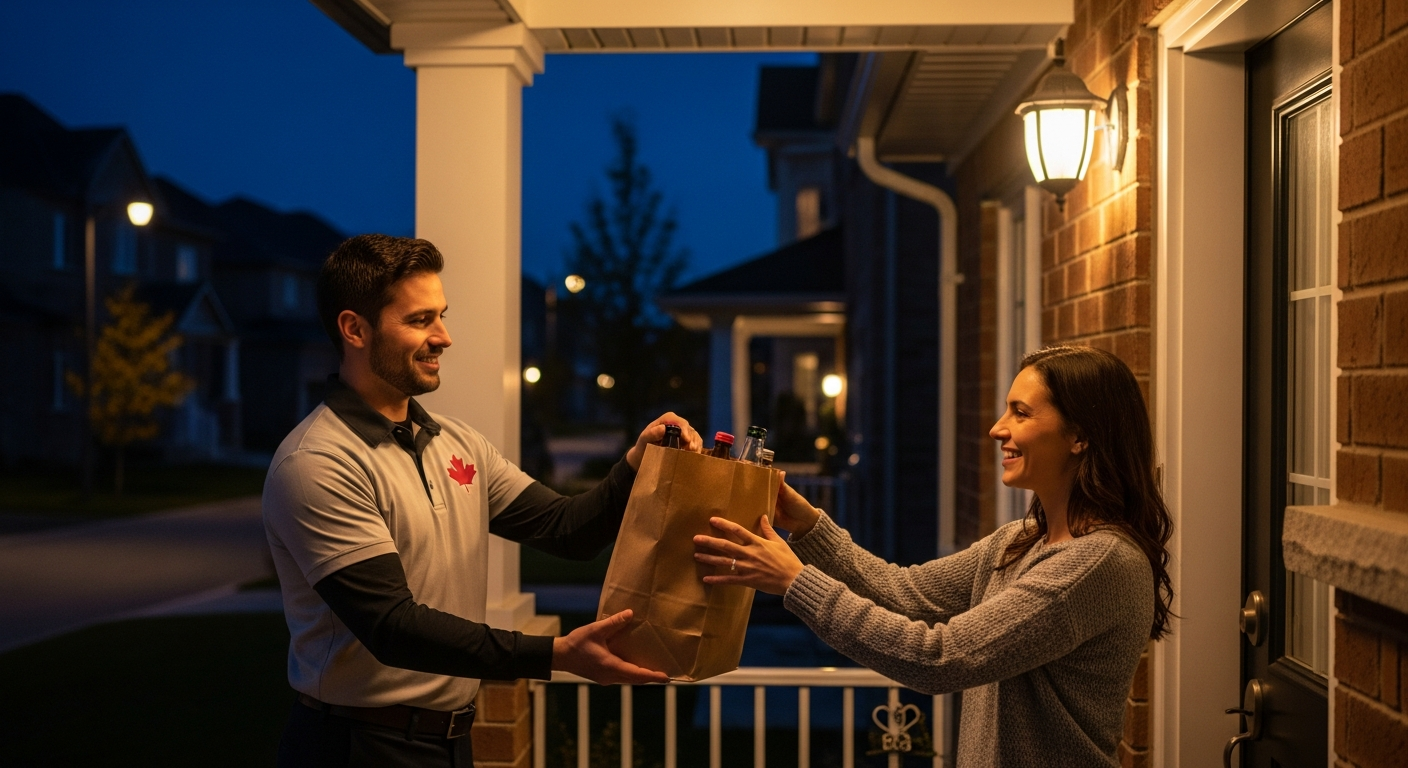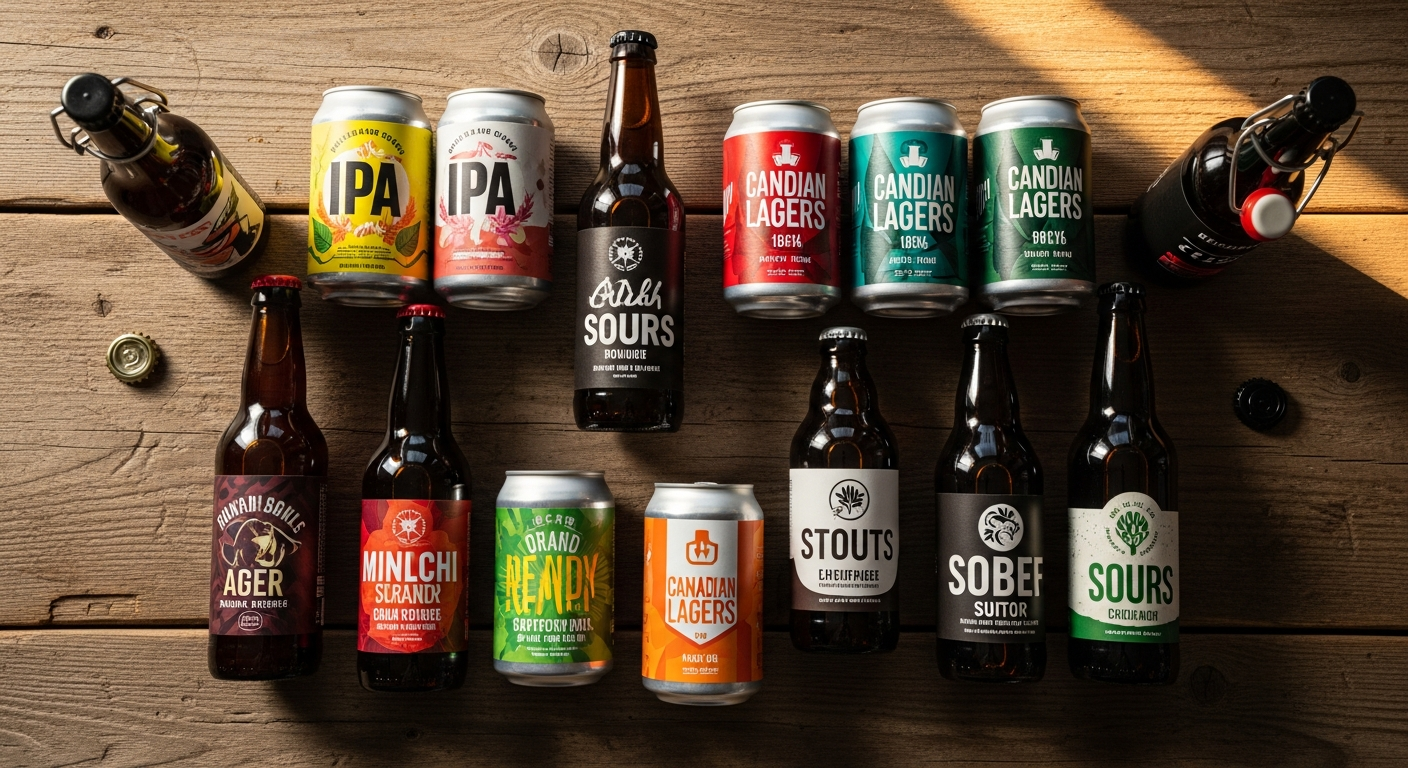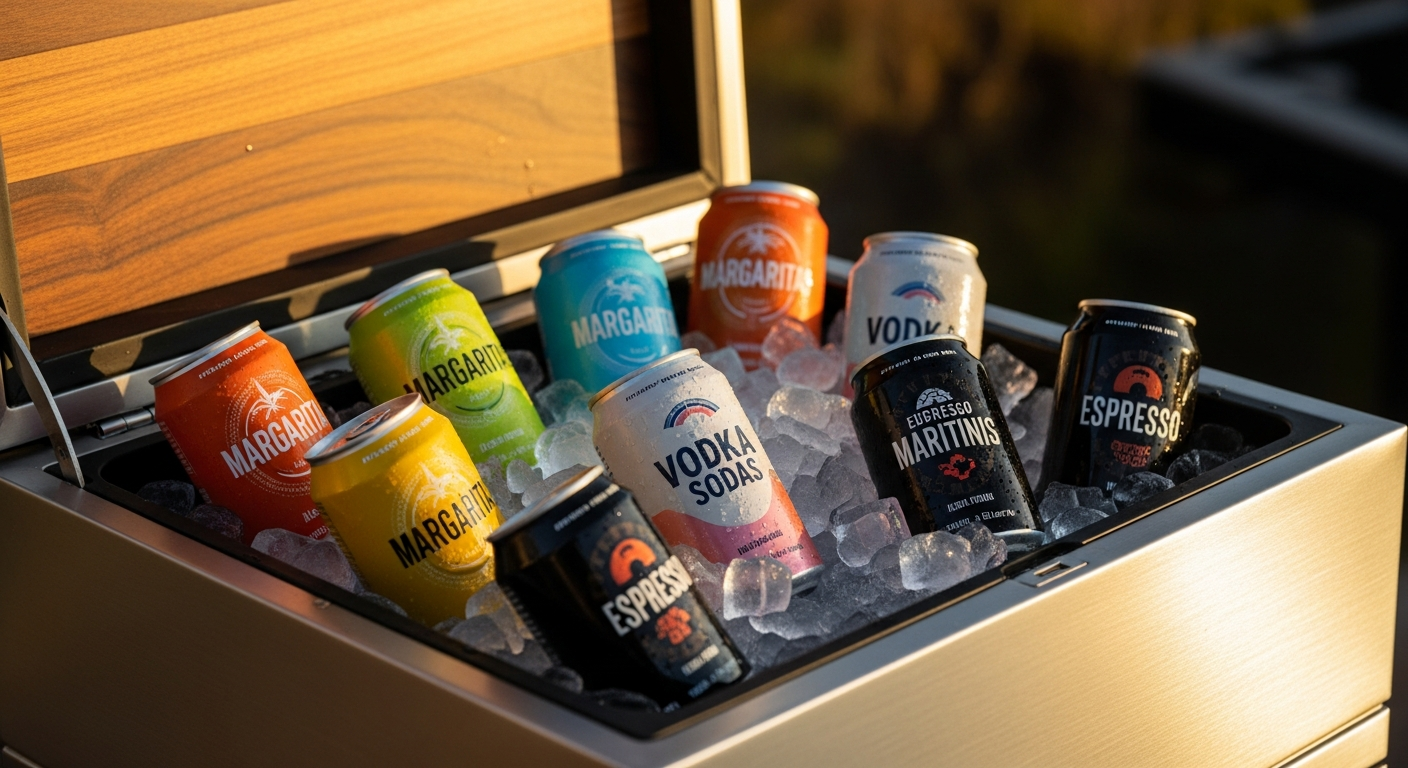
What started as a pandemic-era convenience has become a fundamental shift in how North Americans purchase alcohol. Here's where the industry stands in 2026 — and why the pace of change is only accelerating.
The legal, cultural, and technological landscape around alcohol delivery has transformed dramatically over the past few years. What was once a boutique service available only in a handful of major U.S. cities has become a mainstream option across much of North America — and provinces and states that were once strictly off-limits are beginning to open up.
The U.S. Landscape: Post-Pandemic Momentum
In the United States, alcohol delivery is now legal in 36 states, with legislation in several additional states advancing through legislatures in 2026. The model varies enormously by state — some allow delivery only from licensed retailers, others permit third-party platforms, and a shrinking number maintain complete prohibition on home delivery.
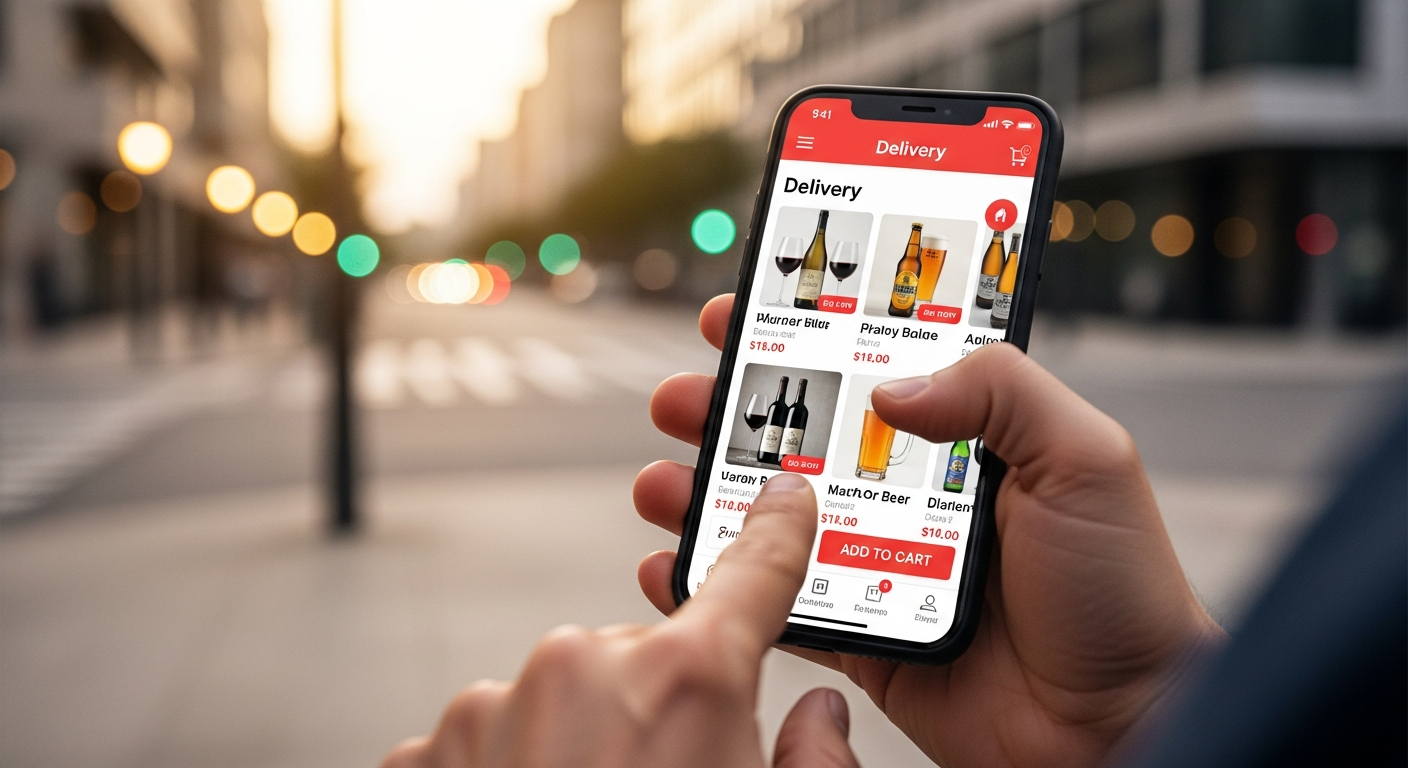
The dominant platforms — DoorDash, Instacart, and Drizly (now integrated into Uber Eats) — have collectively normalized the idea of ordering a bottle of wine the same way you'd order a pizza. The U.S. alcohol e-commerce market is projected to exceed $15 billion USD in 2026, driven by increased availability and shifting consumer expectations.
Craft spirits and wine have seen outsized growth in the delivery channel — consumers who previously only discovered boutique labels at specialty stores are now finding them through curated delivery services.
Canada: A Province-by-Province Picture
Canada's situation is more complicated. Alcohol regulation falls to the provinces, which means the rules vary significantly depending on where you live.
Ontario opened dramatically in 2025, allowing grocery stores, convenience stores, and licensed delivery services to carry alcohol for the first time in nearly a century. The shift has fundamentally changed how Ontarians purchase alcohol.
British Columbia has had a relatively permissive delivery framework for several years, with numerous licensed services operating in Metro Vancouver and beyond. The market is mature and competitive, with dozens of services offering same-day delivery.
Alberta privatized liquor retail decades ago, giving it one of the most flexible alcohol retail environments in the country. Delivery services have operated legally in Calgary and Edmonton for years.
Saskatchewan, where My Liquor Delivery operates, has a licensing framework through the SLGA that permits alcohol delivery by authorized operators. The regulatory structure prioritizes responsible service and proper ID verification while making space for legitimate businesses.
Quebec has been expanding its framework as well, with the SAQ offering province-wide delivery and several third-party operators filling gaps in underserved areas.
Canadian Provincial Alcohol Delivery: A 2026 Snapshot
- British Columbia: Permissive framework in place for several years; dozens of licensed services operating across Metro Vancouver and beyond; competitive, mature market
- Alberta: Privatized liquor retail since the 1990s; delivery services have operated legally in Calgary and Edmonton for years; one of Canada's most open alcohol retail environments
- Saskatchewan: SLGA licensing framework permits authorized home delivery; responsible service standards enforced; My Liquor Delivery holds a valid SLGA Home Delivery Permit
- Manitoba: Manitoba Liquor & Lotteries (MLL) regulates delivery; select licensed services operating in Winnipeg
- Ontario: Dramatically opened in 2025; grocery stores, convenience stores, and licensed delivery services now all permitted for the first time in nearly a century
- Quebec: SAQ offers province-wide delivery; third-party licensed operators active in Montreal, Quebec City, and underserved regions
The Technology Behind It All
Delivery logistics have become sophisticated enough that alcohol-specific delivery is no longer a specialized edge case. Age verification at the door has been standardized. Route optimization means urban deliveries can arrive in 20 to 30 minutes. Real-time inventory management lets consumers check availability before ordering.
AI-driven recommendation engines are beginning to appear in alcohol delivery platforms, suggesting pairings, new products, and alternatives when a preferred item is out of stock. The category is evolving from a transactional utility into a genuine retail experience.
The Responsible Service Challenge
The biggest ongoing challenge for the industry is responsible service — ensuring that delivery drivers are trained to refuse service to visibly intoxicated customers, verify ID consistently, and handle refusals professionally. Regulators in every jurisdiction are paying close attention.
The best operators — licensed, trained, and taking regulatory requirements seriously — are differentiating themselves from less professional competitors. In this category, doing things properly is both a legal requirement and a genuine competitive advantage.
What to Expect Next
The trend lines point in one direction: more availability, more markets, and higher consumer expectations. Provinces and states that have yet to permit delivery are facing increasing pressure to update outdated regulations. Consumers who have experienced delivery-first purchasing don't tend to go back to the old model willingly.
For Saskatoon residents, the infrastructure is already here and operating. Order online or call (639) 525-6227 — we're open daily from 11:00 AM to 2 AM.
Megan spent over a decade managing restaurants and bars in Saskatchewan before turning to drinks writing full-time. She holds a WSET Level 2 Award in Wines, writes regularly about alcohol culture and the Canadian craft beverage scene, and is deeply invested in the responsible service movement across the prairies.